EN
EN




Hematology: A Complete Guide to Blood Diseases, Analysis, and Advanced Treatment

Hematology: A Complete Guide to Blood Diseases, Analysis, and Advanced Treatment
Blood is the vital tissue that carries life energy, delivering oxygen and nutrients to every cell in our body. Even the slightest disruption in this complex system can affect our overall well-being.
This is precisely where the science of hematology comes into play.
Below, we have prepared a comprehensive guide covering everything you need to know about your blood health, the latest analysis methods, and treatment processes within the scope of call-to-action.
What is Hematology?
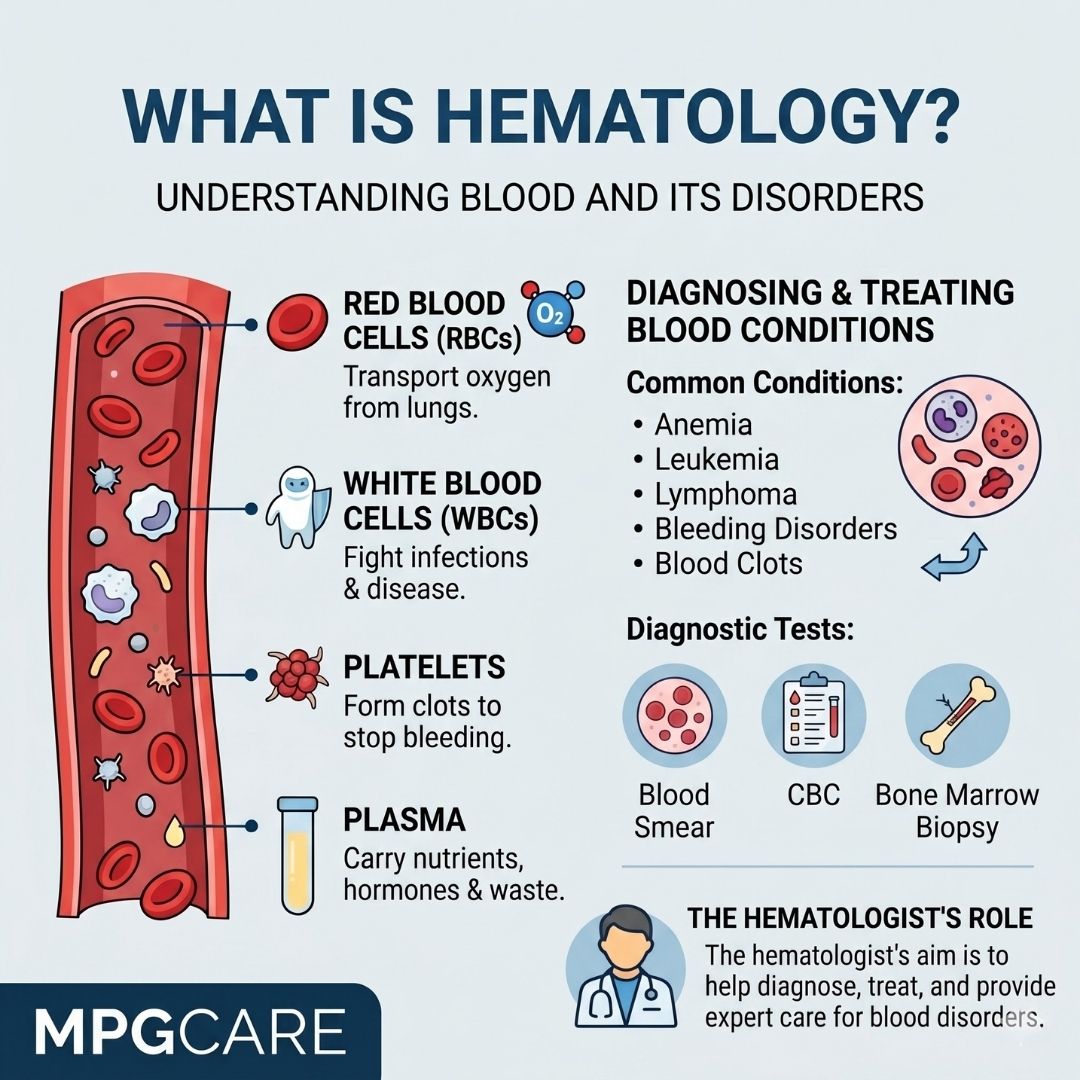
Hematology is, in its simplest definition, the branch of medicine that studies blood, the organs that form blood (bone marrow, spleen, lymph nodes), and the diseases originating from these tissues.
The balance of cells within the blood (red blood cells, white blood cells, and platelets), the mechanism of blood clotting, and the components of the immune system related to blood are the primary focuses of hematology specialists.
Who Should Consult a Hematology Specialist?
Generally, patients are referred to this department after deviations are found in blood values during an internal medicine examination.
However, if you are experiencing the following symptoms, you may need to consult a hematology expert directly:
- Unexplained extreme fatigue and constant exhaustion.
- Unexplained bruising or small red spots (petechiae) on the skin.
- Frequently recurring infections and slow-healing wounds.
- Gum or nosebleeds that last longer than normal.
- Painless swelling in the lymph nodes (neck, armpit, groin).
- Night sweats and sudden, unexplained weight loss.
Hematological Analysis
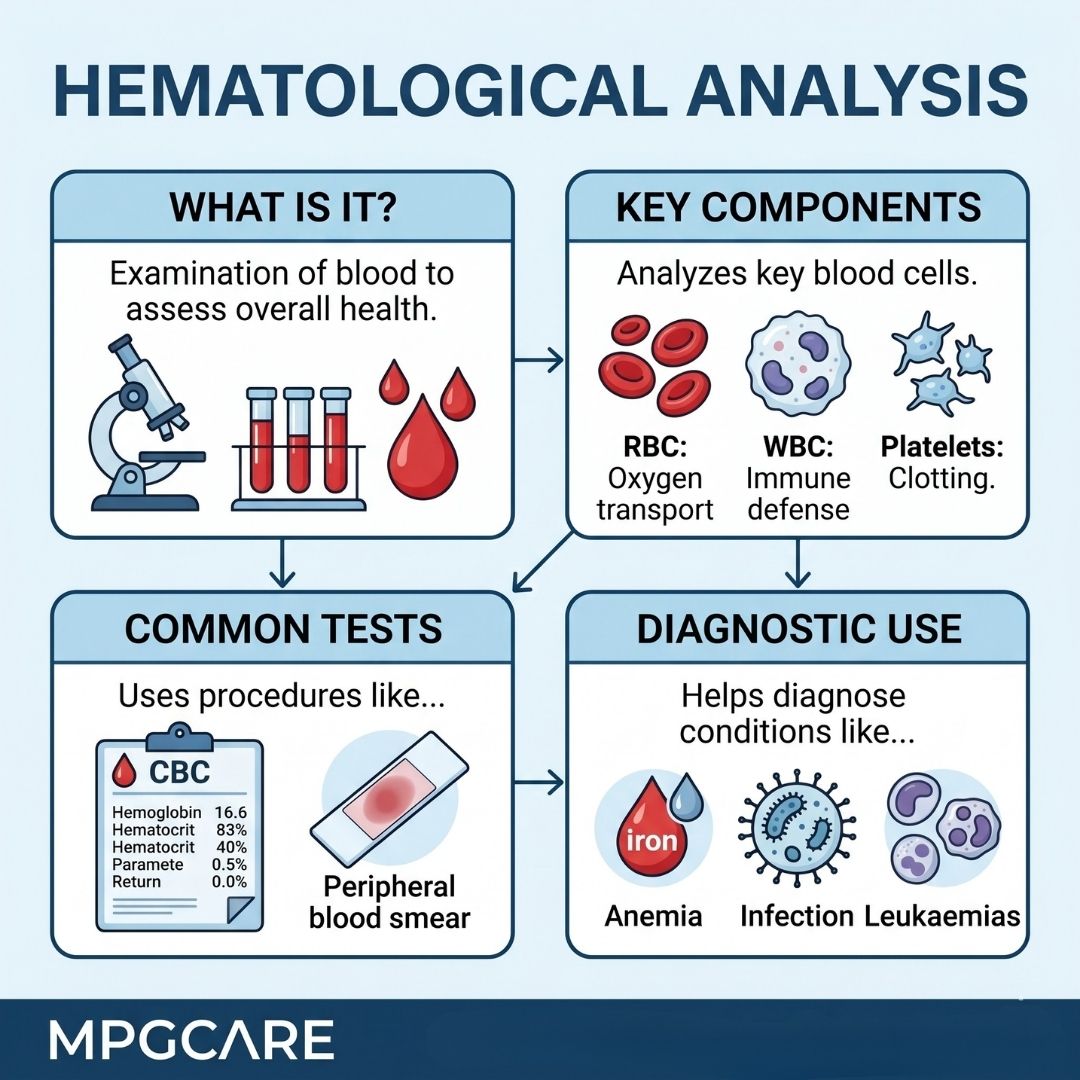
Laboratory analysis is the most powerful tool in diagnosing blood diseases.
Here are the fundamental hematology tests and their functions applied in modern clinical settings:
| Test Name | Purpose | What is Examined? |
| Complete Blood Count (CBC) | General health screening | Anemia, infection, clotting |
| Peripheral Smear | Cell microscopy | Structural abnormalities of cells |
| Reticulocyte Count | Bone marrow activity | Rate of new blood production |
| Sedimentation Rate (ESR) | Inflammation check | Inflammatory states in the body |
| PT / aPTT / INR | Clotting time | Bleeding tendency and clotting speed |
| Bone Marrow Aspiration | Cell production | Stem cells and cancer screening |
Complete Blood Count (CBC)
The "Complete Blood Count," requested in almost every physical examination, is the foundation of hematology. This test measures the amounts of different types of cells within the blood.
Thanks to this test, we understand the oxygen-carrying capacity of the blood, the body's strength in fighting germs, and whether bleeding will stop correctly.
WBC, RBC, Hemoglobin
Understanding the abbreviations in your blood results is crucial for tracking your health. Here are the values most commonly encountered in hematology reports:
RBC (Red Blood Cells): Cells that carry oxygen.
- Normal Range: 4.5 – 5.9 million/µL (Male), 4.1 – 5.1 million/µL (Female).
- Low levels: An indicator of anemia.
WBC (White Blood Cells): The defense soldiers of the body.
- Normal Range: 4,500 – 11,000 /µL.
- High levels: Indicates an infection or an active immune response.
HGB (Hemoglobin): The protein that gives red blood cells their color and binds oxygen.
- Normal Range: 13.5 – 17.5 g/dL (Male), 12.0 – 15.5 g/dL (Female).
PLT (Platelets): Facilitates blood clotting.
- Normal Range: 150,000 – 450,000 /µL.
- Low levels: Increases the risk of uncontrolled bleeding.
Most Common Blood Diseases
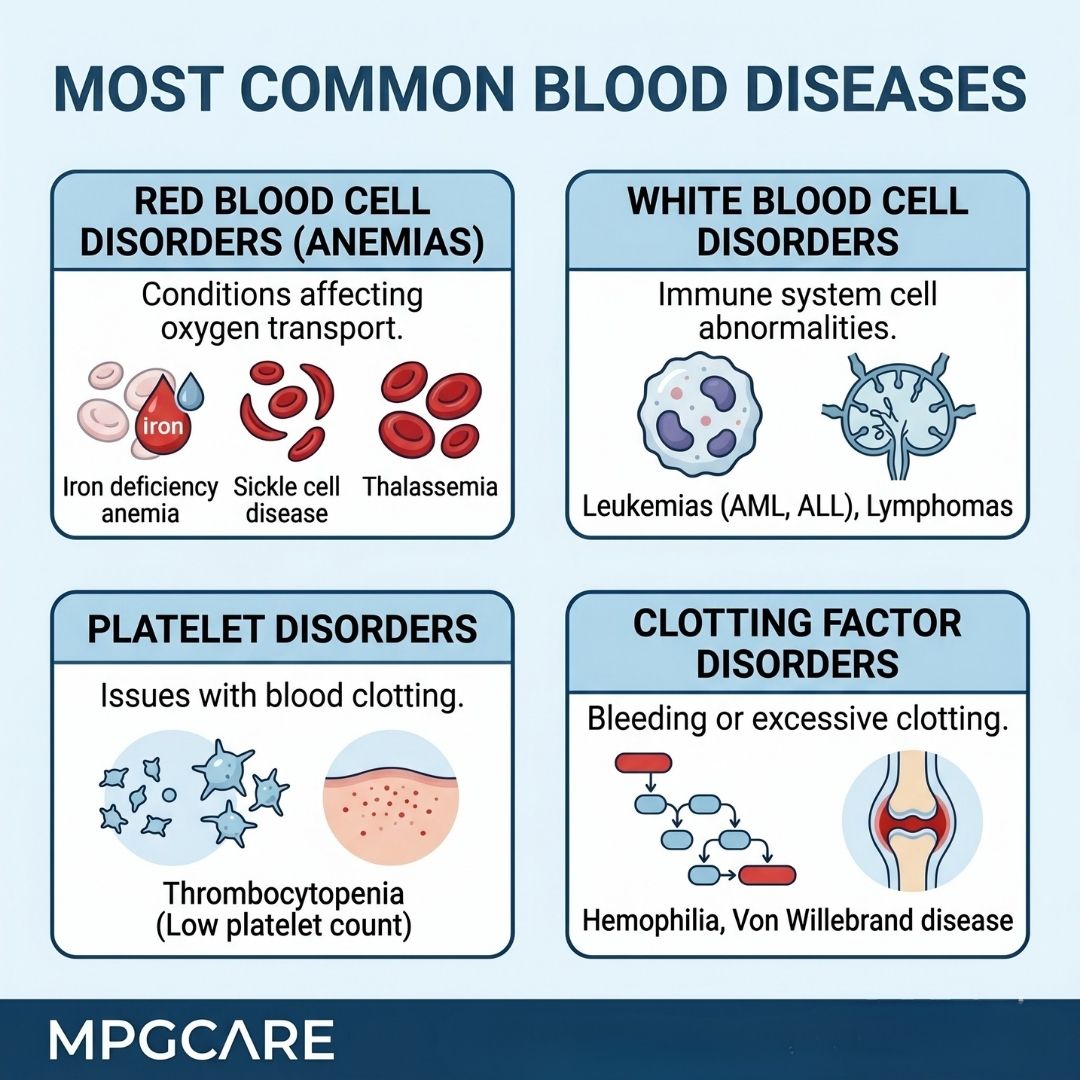
Diseases within the field of hematology span a wide spectrum. Sometimes a simple vitamin deficiency causes these issues, while other times they stem from genetic mutations.
Anemia
This is the most common hematology issue worldwide. It occurs when the amount of hemoglobin in the blood falls below normal.
- Iron Deficiency Anemia: The most prevalent type; develops due to nutritional imbalances or blood loss.
- B12 and Folate Deficiency: A type of anemia that also affects the nervous system.
- Thalassemia: A genetic hemoglobin production disorder.
Leukemia (Blood Cancer)
This involves the uncontrolled proliferation of abnormal white blood cells in the bone marrow. It is divided into acute and chronic types. With early diagnosis and advanced hematology protocols, success rates are quite high today.
Thrombophilia
A tendency for the blood to clot faster than normal. It increases the risk of vascular occlusion (thrombosis) and embolism. Hematology specialists investigate this condition particularly in cases of recurrent pregnancy loss.
Lymphoma
The cancer of cells in the lymph tissues, which are part of the body's immune system. It manifests as swelling in the lymph nodes of the neck, armpit, and groin.
Pediatric Hematology
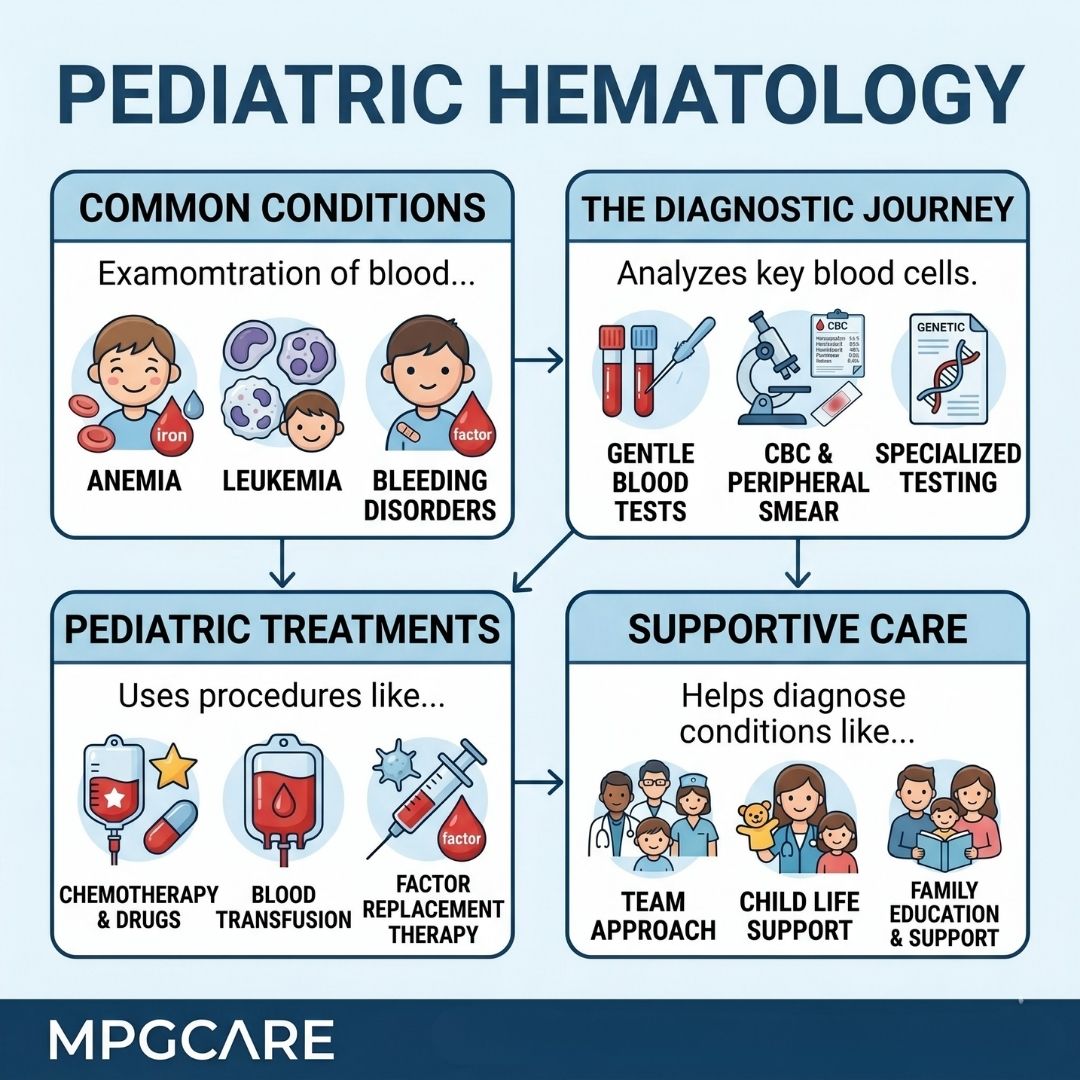
Hematology cases in childhood must be handled with a different approach than in adults. The most common conditions in children include genetic blood disorders, iron deficiencies during growth stages, and pediatric leukemias.
Since the young body tends to respond more quickly to treatment, a multidisciplinary approach and specialist support are of critical importance.
Bone Marrow Transplant
In many severe blood diseases (especially resistant leukemias and lymphomas), the definitive solution is a bone marrow transplant.
This process is carried out using the patient's own stem cells (autologous) or stem cells taken from a compatible donor (allogeneic).
In modern medical facilities, stem cell transplant processes are carried out meticulously in units with high sterilization standards, under the supervision of specialized nurses and hematology teams.
The technological infrastructure in this field has brought success rates to international standards.
Hematology Specialist — with MPGCare
In your health journey, correct diagnosis and reliable treatment planning are paramount. We are with you for any doubts regarding your blood health or during your routine check-ups with our expert physician staff.
MPGCare offers comprehensive solutions in the field of hematology with modern laboratory facilities and a patient-oriented approach.
In the diagnosis and treatment of blood diseases, we protect your health with the most up-to-date analysis techniques, genetic screenings, and personalized treatment protocols.
Remember, a small change in your blood values might be an important message your body is sending you.
Do not hesitate to seek professional support to read this message correctly and improve your quality of life. A healthy life begins with healthy blood cells.
How can you request a medical review in Turkey?
MPG Care can review your medical documents and coordinate the appropriate specialist within the Medical Park and Liv Hospital network.
WhatsApp: +90 850 259 55 53
This content is for information only and does not replace a medical consultation.